
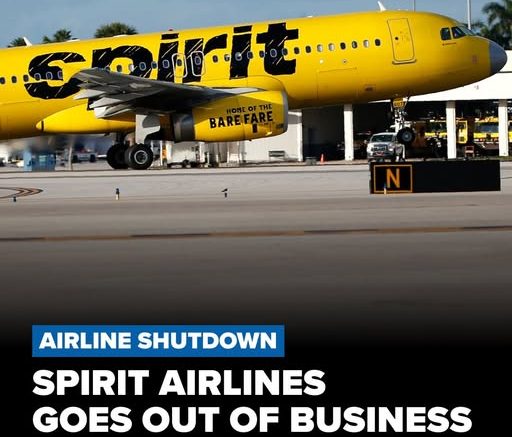
Last night Spirit Airlines has begun an orderly wind‑down and ceased flight operations after failing to secure a bailout; thousands of passengers and employees are affected and travelers should not go to airports but seek refunds or alternative flights.
What happened
Spirit announced it has started an orderly wind‑down and cancelled all flights, citing a sudden inability to secure additional funding amid surging jet‑fuel costs. Reports say negotiations over a proposed $500 million lifeline stalled, leaving the carrier without the liquidity needed to continue operations.
Why it failed
Spirit had been struggling with repeated financial stress — including two recent bankruptcies and a failed merger attempt — and the recent spike in fuel prices made a turnaround impossible without outside capital. Attempts to secure a government‑backed rescue reportedly broke down when bondholders and other stakeholders could not agree to terms. NBC News
Immediate impact on travelers
If you have a Spirit reservation, do not go to the airport; the airline directed customers to its shutdown FAQ and refund pages. Credit‑card purchases are generally protected: customers can dispute charges for non‑delivered travel services, while cash buyers and loyalty‑points holders may face greater difficulty getting refunds.
What to do now
- Hold on to your ticket and documentation; do not cancel proactively if you want the strongest refund protections.
- Contact your credit card company to file a chargeback if the airline ceases service and you cannot get a refund.
- Check other carriers for rescue fares or rebooking options; several major airlines have said they will help Spirit customers where possible.
Broader industry effects
The exit of an ultra‑low‑cost carrier will likely reduce capacity on many routes and push fares higher, especially on routes Spirit dominated. Historical data show fares can jump significantly when a low‑cost carrier leaves a market. Airlines and airports will also face operational and staffing ripple effects as aircraft, leases, and employees are redistributed or enter bankruptcy proceedings.
